Cute Bunny with Flowers Embroidery Review
When I first opened the file for Cute Bunny with Flowers Embroidery, my immediate reaction was one of genuine warmth. In a sea of complex, high-density designs that often feel cold or corporate, this piece stands out because it breathes life into the fabric. As someone who has spent years reviewing digital assets for both personal hobby projects and commercial client work, I know that the difference between a good design and a great finished product often lies in the subtle details of the theme and layout. This design isn't just an image; it is a mood setter.
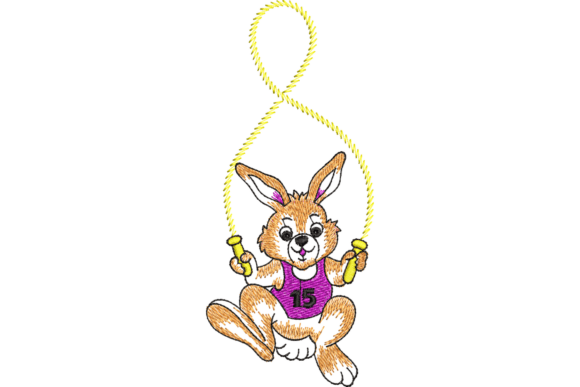
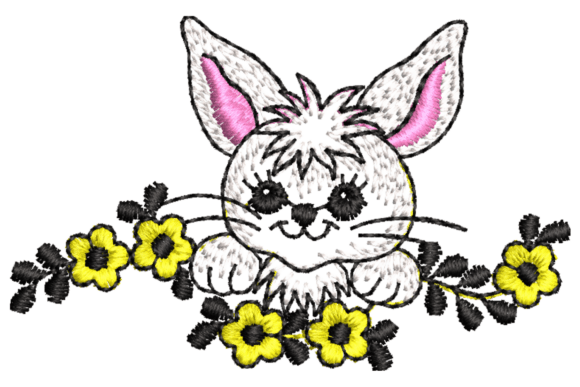
The concept is simple yet effective: a sweet little rabbit surrounded by delicate flowers. It creates a soft, charming look that feels perfectly at home in a nursery or on a child's clothing. However, as a professional designer, I don't just judge by the preview image. I need to understand how this machine embroidery design will translate from a screen to the needle point. Does it hold up under tension? Will the stitches blur together on thin cotton? Let's dive into what makes this design work in the real world.
First Impressions and Visual Personality
The visual personality of Cute Bunny with Flowers Embroidery is undeniably gentle. The composition balances the central figure of the bunny with the surrounding floral elements without creating a cluttered mess. For a designer looking to create a cohesive brand identity, this is crucial. If you are running a small shop on Etsy or selling handmade products at craft fairs, consistency matters. A design like this signals quality and care to your customers before they even touch the item.
The layout suggests a natural flow that guides the eye. The flowers aren't just random dots; they frame the bunny in a way that adds depth. When I imagine this stitched onto a white tee shirt or a pastel tote bag, the colors would pop without being overwhelming. It strikes a balance between detailed enough to be interesting but open enough to remain legible on smaller items. This is a design that feels "handmade" rather than mass-produced, which is exactly what buyers are looking for when they purchase personalized gifts.
Real-World Application: From Screen to Stitch
To truly understand the value of this asset, we have to look at where it fits best in a production workflow. I recently considered using this design for a custom order involving baby clothes. The goal was to create a set of onesies and a matching burp cloth for a boutique launch. Cute Bunny with Flowers Embroidery felt like the perfect candidate for this project.
On a sweatshirt or a thick canvas tote bag, the design would shine. The fill stitches would provide a nice texture against the heavy fabric, making the bunny appear almost three-dimensional. For a tote bag design, the charm of the rabbit adds a whimsical touch that elevates a basic accessory into a statement piece. Customers love these kinds of items because they feel special and unique. It transforms a standard bag into a keepsake.
I also see potential here for holiday embroidery. Imagine this stitched on a Christmas stocking or a winter hat. The flowers add a touch of spring even in the middle of winter, creating a lovely contrast. For embroidered patches, the clean lines of the bunny and the distinct flower shapes would separate well, provided the backing is applied correctly. This versatility makes it a strong addition to any design assets library for a creative entrepreneur.
Where to Use It (and Where to Pause)
While this design is versatile, it is not a universal solution. There are specific scenarios where Cute Bunny with Flowers Embroidery might struggle if not handled with care. One of the primary concerns is the hoop size. If you attempt to stitch this on a very small area, such as a cap brim or a tiny pocket, the details could get lost. The delicate flowers require enough space to breathe; cramming them into a tight curve might result in thread breaks or a muddy appearance.
Fabric choice is another critical factor. On stretchy fabrics like jersey knit, the density of the stitches could cause the material to pucker if the stabilizer isn't chosen correctly. Similarly, on dark fabrics, the contrast might be an issue depending on the thread colors used in the file. You must ensure that the thread colors selected for the machine can stand out against the background. If the design relies on light threads for fine details, it may not show up well on black denim without a significant underlay or topstitch adjustment.
Textured fabrics present their own challenges. While a cozy fleece sweater looks great with embroidery, a rough burlap or a highly textured linen might hide the intricate stitching of the bunny's ears. In these cases, the design loses its crispness. Additionally, if you are planning to wash the finished product frequently, such as a kitchen towel or a baby blanket, you need to check the stitch density. High-density areas can sometimes trap lint or wear down faster if the thread isn't secured properly.
Impact on Product Value and Brand Trust
In the world of craft business, the perceived value of your item is directly tied to the quality of the execution. A poorly executed design can make a $50 handbag look like a cheap knockoff. Conversely, a well-executed Cute Bunny with Flowers Embroidery design can justify a higher price point. The charm of the design invites emotional engagement. When a customer sees a cute bunny with flowers, they think of comfort, safety, and joy. These are emotions that drive sales.
For Etsy sellers and small shop owners, using a design that resonates emotionally can significantly boost buyer engagement. It helps your product stand out in a crowded marketplace. When you present a mockup or a photo of the finished product, the clarity of the stitches tells a story of professionalism. It shows that you care about the details, which builds trust with your audience. This trust translates into repeat customers and positive reviews, which are the lifeblood of any online store.
Practical Designer Notes for Success
Before you load this file into your machine, there are several steps every experienced designer takes to ensure success. First and foremost, always test the design on scrap fabric. This is non-negotiable. You need to see how the stabilizer interacts with your specific fabric type. Does it shift? Does it tear? The right combination prevents puckering and ensures the final product looks polished.
Review the stitch density carefully. If the design has large fill areas, ensure your machine can handle the thread consumption without breaking. Check the hoop size requirements listed in the file information. If the design is too large for your current hoop, you may need to split the design or use a larger frame. Also, inspect the small details, particularly around the bunny's face and the petals of the flowers. Are they too thin? Will they get lost in the stitching process?
It is also wise to test the design in black and white mockups. This helps you visualize the contrast and structure without the distraction of color. Compare how it looks on light versus dark backgrounds to ensure the thread choices will work for your intended product line. Finally, confirm the licensing terms. Just because you bought the digital embroidery file doesn't mean you automatically have the right to sell thousands of finished items. Always verify whether the license covers commercial use for physical goods.
Cute Bunny with Flowers Embroidery is more than just a cute animal graphic; it is a tool for creating meaningful, high-quality handmade products. Whether you are making a gift for a loved one or building a catalog for your boutique, this design offers a reliable foundation for your creativity. By understanding its strengths and respecting its limitations, you can turn a simple digital file into a stunning finished product that brings smiles to faces everywhere.